
.png)
How we diagnosed a 15-person team’s workflows and shipped a working automation that automates 82% of a process — in weeks, not months.
Client Snapshot
GT Golf is a PE-owned distributor of golf consumables and accessories — tees, grips, pencils, re-gripping supplies — serving golf courses, pro shops, and retail stores across the US. The company grew through M&A and operates multiple brands. Like many post-acquisition businesses, GT Golf had inherited a patchwork of systems, processes, and tribal knowledge — with no unified picture of how work actually gets done.
The Diagnostic: What We Did
We deployed the Gralio diagnostic method across GT Golf’s customer support and order-taking team — the work of ~15 people was monitored over two weeks.
What does that mean in practice? It’s the equivalent of embedding 15 consultants to shadow every team member for two weeks straight — documenting every click, every workaround, every system switch — but without the disruption, the interviews, or the cost.
Here’s how it worked:
- Team members installed our lightweight Windows application. It ran quietly in the background while they worked normally.
- They had full control: they could pause recording at any time or retroactively delete any segment.
- When we discovered the team worked across dual monitors, we shipped support for dual-screen capture within days.
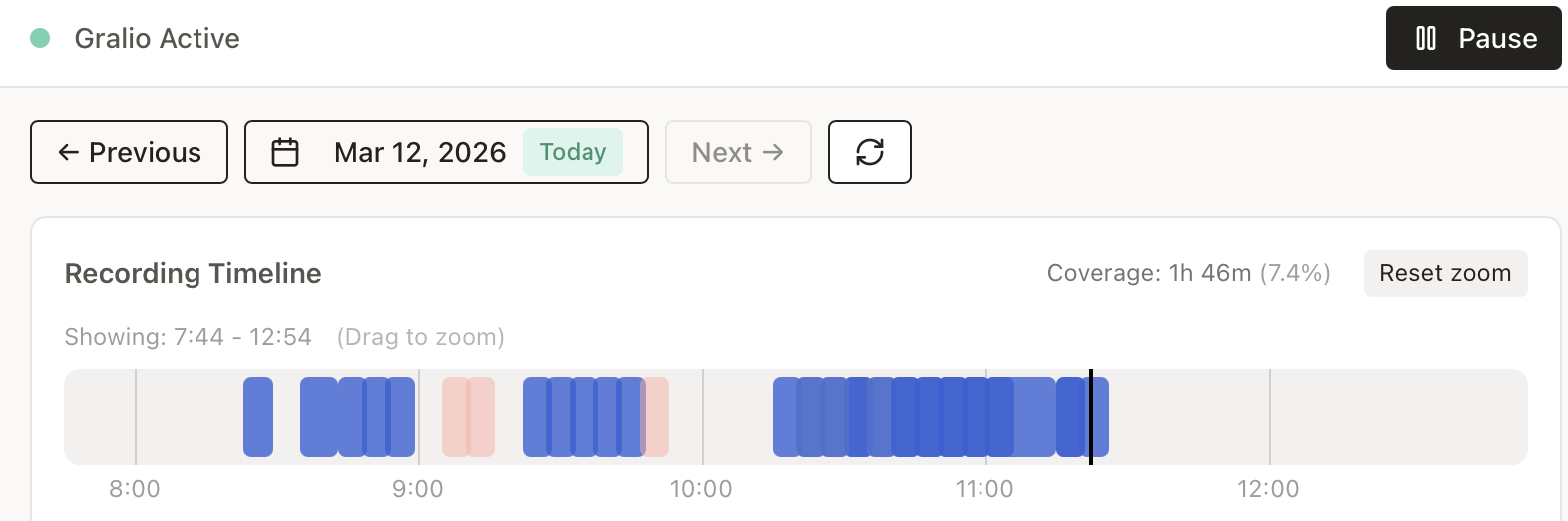
The result: an extraordinarily deep layer of operational context — every process, every tool, every decision point — captured as-is, not as-reported. This dataset becomes a searchable knowledge base the client can query long after the initial engagement.
What We Found
The Gralio diagnostic produced results in hours, not weeks. Two categories of output: actionable automation opportunities and deep operational documentation.
Automation Opportunities
The analysis immediately surfaced a ranked set of high-impact opportunities.
Beyond the headline opportunities, the diagnostic uncovered insights that would have taken traditional consulting weeks to find:
Let’s use the SaaS we already have. One part of the business had SaaS tooling that automated a significant chunk of work. Another location was doing the same work entirely by hand — unaware the tool existed and was already licensed.
The phantom popup. Employees were clicking through a system popup multiple times a day — hundreds of times a week across the team. It turned out the popup served no operational purpose and could simply be turned off.
Underutilized ERP features. A built-in capability in NetSuite (their ERP) was going unused. Enabling it would save hours of manual work weekly and unlock further automation downstream.
Documentation
Beyond automation, the diagnostic gave GT Golf’s leadership something they’d never had: a precise, evidence-based picture of how the team actually spends its time.
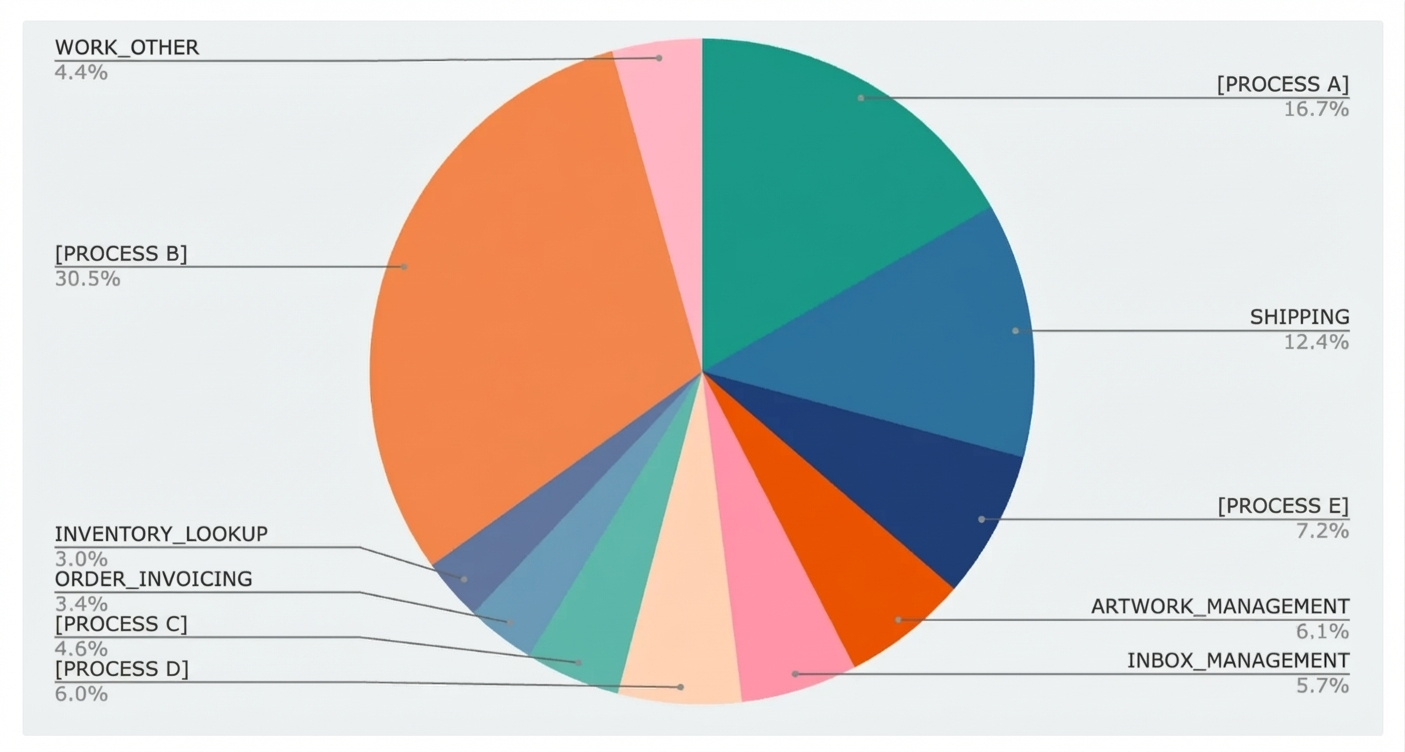
Time allocation breakdown
We mapped exactly which processes consumed the team’s hours.
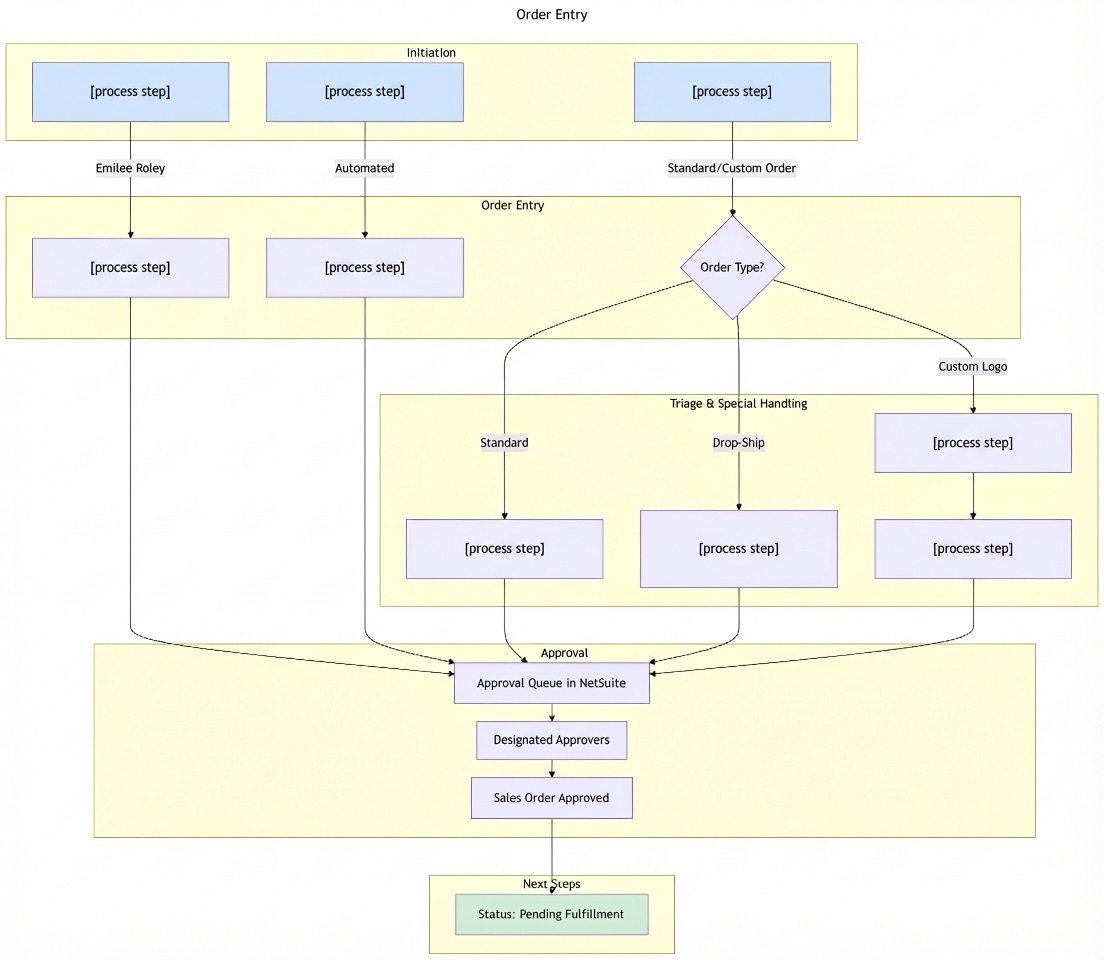
Process documentation
For each process, we generated detailed documentation including step-by-step flows and decision diagrams.
Software & feature usage
We catalogued every application and feature the team actually used — not what’s on the license sheet, but what people open every day.
This becomes the ground truth for any future spend optimization — no more surveying the team about what they use.
What We Built
Based on the diagnostic, we implemented the #1 opportunity: an AI agent that automates email-to-ERP order transcription.
The problem: The team was manually reading incoming order emails — which arrived as PDFs, Excel files, plain-text emails, and even photos of handwritten notes — and transcribing every detail into NetSuite sales orders. A single order could take 10+ minutes of careful data entry.
The solution: Our AI agent monitors the inbox, reads incoming orders in any format, extracts the key data (customer, PO number, items, quantities, ship-to address), fuzzy-matches customers and SKUs against NetSuite records, and creates a draft sales order — all within 30 seconds. The human’s role shifts from data entry to review and approval.
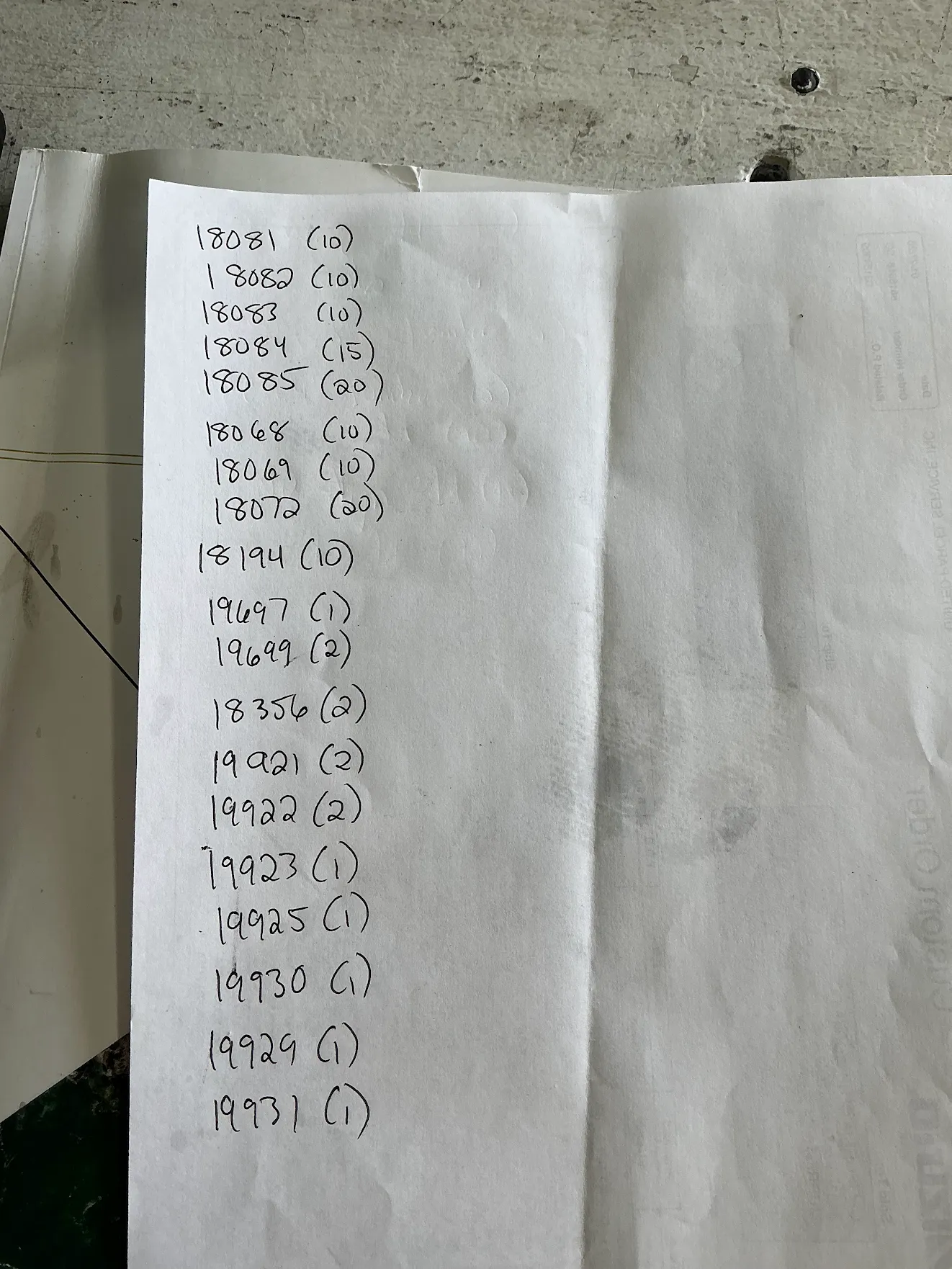
Agent output:
Created a single order for John Smith (ID: 42093, Customer #23423).
Matched on Email address.
Contains 19 items. Quantities mapped to each item ID.
Location ID 1 (BlueCity) selected based on past sales order history.
Remaining data matched based on past order behavior.
Results
At the time of writing, our AI agent is live across the entire order-taking team. It targets the team’s single biggest process — email order entry — and is successfully automating 82% of the email orders sent to it, with humans reviewing and approving each draft.
Beyond the agent, several other automation initiatives identified during the diagnostic are now underway. And perhaps just as valuable: GT Golf’s management team now has complete, evidence-based visibility into how their team actually works.
Note: Customer, agent, and location names and IDs have been anonymized throughout.


